
 23 March 2026
 Share
Share
1
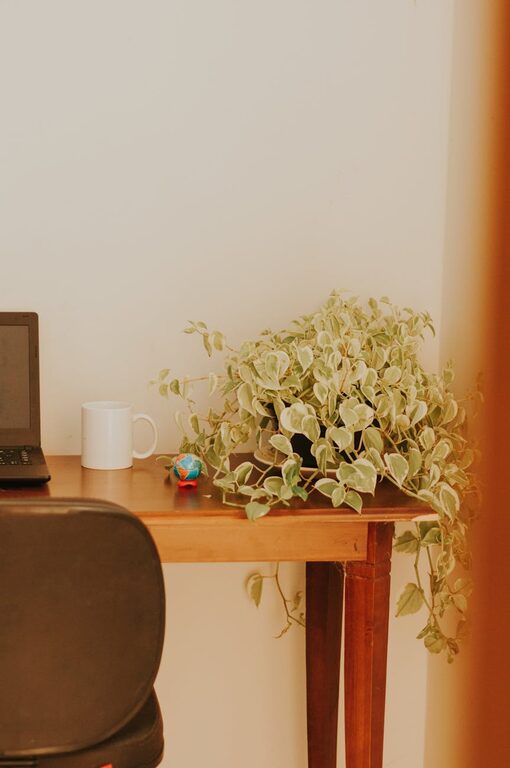
Creating a relaxing home workspace is essential for staying productive and maintaining your well-being while working from home. Whether you have a dedicated room or a small corner, making your workspace inviting and stress-free can improve focus and reduce fatigue. Here are some practical tips to help you design a calming and efficient home office setup.
The first step in creating a relaxing workspace is to pick the best spot in your home. Consider these factors:
– Natural Light: Try to work near a window to benefit from daylight. Natural light helps regulate your circadian rhythm and can boost mood.
– Quiet Environment: Select a place with minimal distractions and noise to enhance concentration.
– Separate from Living Areas: If possible, use a space away from busy household rooms to mentally separate work from relaxation.
Comfort is key when you spend hours at your desk. Investing in ergonomic furniture can prevent discomfort and promote better posture.
– Comfortable Chair: Choose an adjustable chair that supports your lower back.
– Proper Desk Height: Your desk should allow your arms to rest comfortably at a 90-degree angle.
– Footrest: Use a footrest if your feet don’t rest flat on the floor to reduce pressure on your legs.
A cluttered desk can lead to a cluttered mind. Keeping your workspace tidy can foster calmness.
– Use Storage Solutions: Drawer organizers, shelves, and boxes help keep supplies out of sight.
– Declutter Regularly: Take a few minutes at the end of each day to clear unnecessary items.
– Minimal Decor: Choose a few meaningful or inspiring objects rather than many small decorations.
Colors affect mood and energy levels. Opt for calming colors in your workspace design.
– Calming Palettes: Shades like soft blues, greens, and neutrals promote relaxation.
– Personalize Thoughtfully: Add a plant, a favorite photo, or motivational quotes without overwhelming the space.
– Balance is Key: Avoid overly bright or distracting color schemes.
Lighting impacts your comfort and focus throughout the day.
– Mix Natural and Artificial Light: Use overhead lights along with task lighting like desk lamps to avoid eye strain.
– Adjust Brightness: Choose adjustable lighting to suit different times of day and tasks.
– Reduce Glare: Position your screen and lights to minimize reflections.
Creating a multisensory relaxing environment can make a big difference.
– Aromatherapy: Use essential oils or candles with scents like lavender, chamomile, or eucalyptus to reduce stress.
– Background Music or Nature Sounds: Soft instrumental music or nature recordings can help improve focus and calm nerves.
– Control Noise: Use noise-canceling headphones or white noise machines in noisy environments.
A relaxing workspace supports healthy habits, including breaks.
– Set Timers: Work in focused sessions with short breaks to stretch and rest your eyes.
– Stand or Move: Consider a sit-stand desk or take brief walks to boost circulation and reduce stiffness.
– Keep Hydrated: Keeping a water bottle nearby encourages regular hydration, which aids concentration.
Use technology to enhance relaxation, not cause distractions.
– Organize Digital Tools: Use apps for task management and calendar alerts to stay on track.
– Limit Notifications: Turn off non-essential alerts to minimize interruptions.
– Cable Management: Keep cords and chargers organized and out of the way.
Designing a relaxing home workspace is about creating a comfortable and organized environment that supports your productivity and well-being. By considering location, furniture, lighting, and personal touches, you can build a space where work feels less stressful and more enjoyable. Remember, small changes can lead to big improvements in your daily routine.
Take the time to assess your current setup and implement these tips one step at a time. Your mind and body will thank you!
